A film blower machine is industrial equipment that melts thermoplastic resin (like LDPE, HDPE, LLDPE or PP) and blows it into a thin plastic tube (film) by extruding it, inflating it with air, cooling it, and finally winding it into rolls for packaging or further processing. It’s widely used in producing packaging films, bags, agricultural films, shrink films, and more.
A film blower machine is industrial equipment that melts thermoplastic resin (like LDPE, HDPE, LLDPE or PP) and blows it into a thin plastic tube (film) by extruding it, inflating it with air, cooling it, and finally winding it into rolls for packaging or further processing. It’s widely used in producing packaging films, bags, agricultural films, shrink films, and more.
Core Components
Extruder unit: Screw and barrel where the plastic pellets are melted and pressurised.
Die head: Shapes the molten plastic into a circular tube.
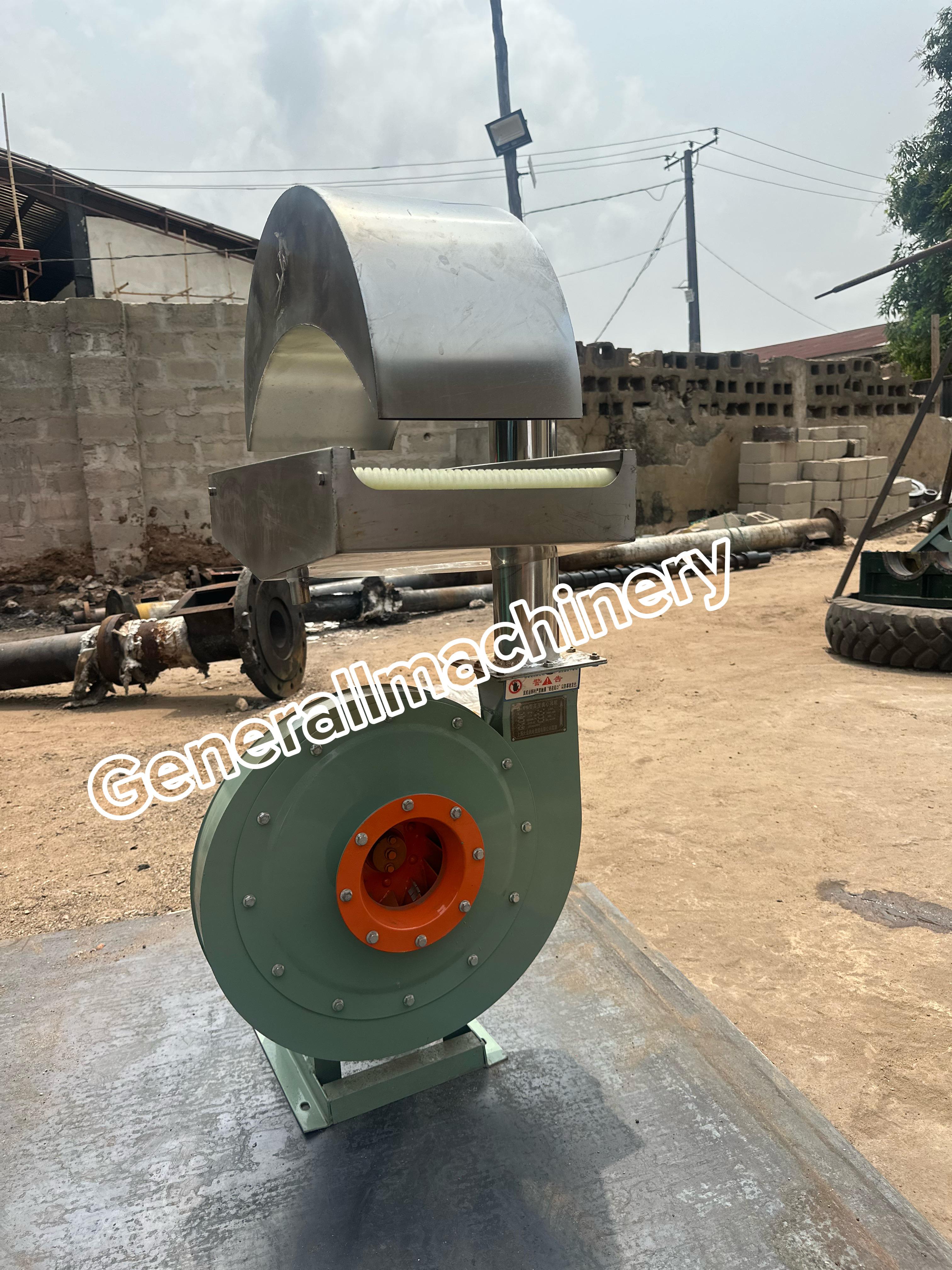
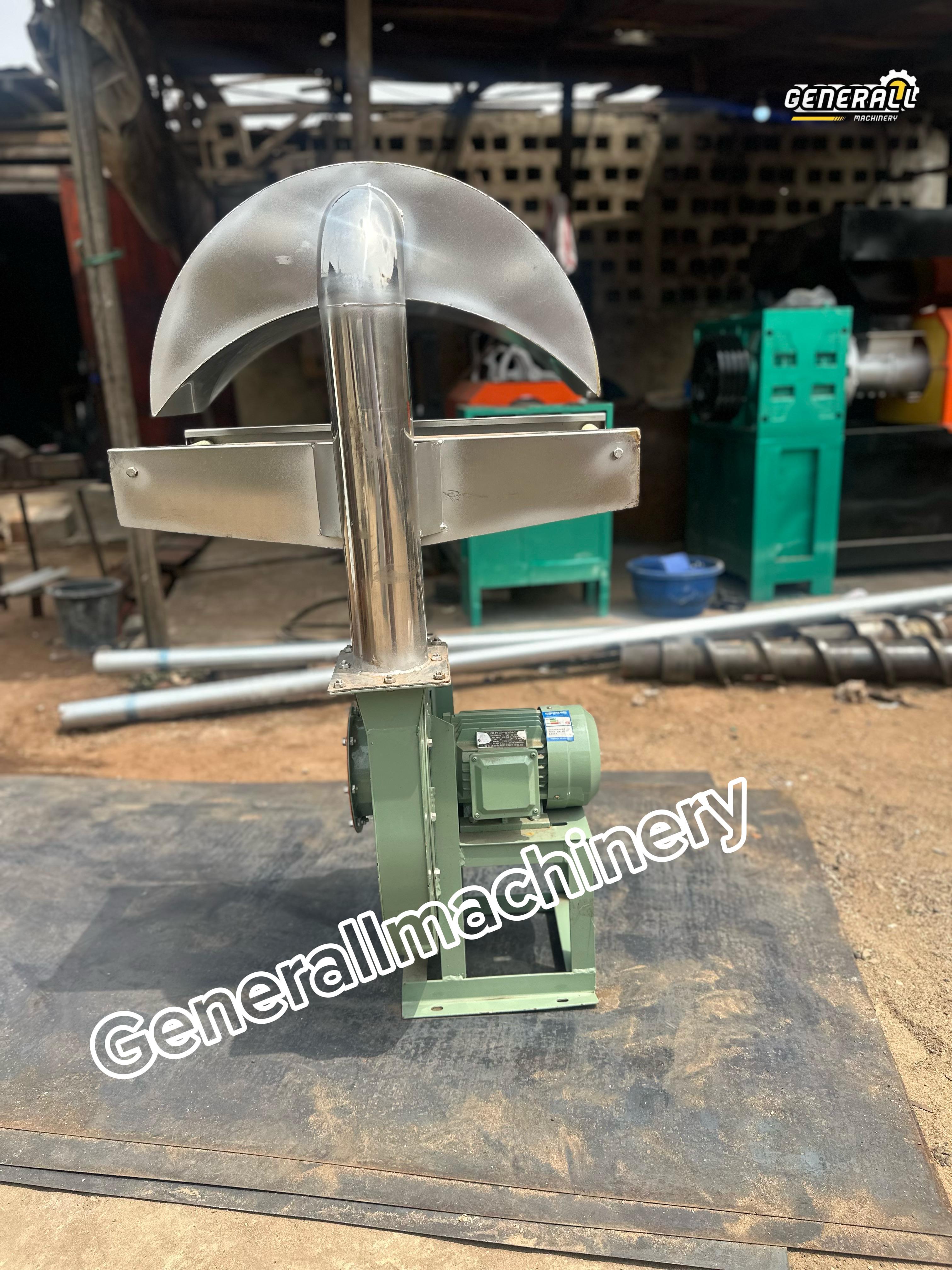
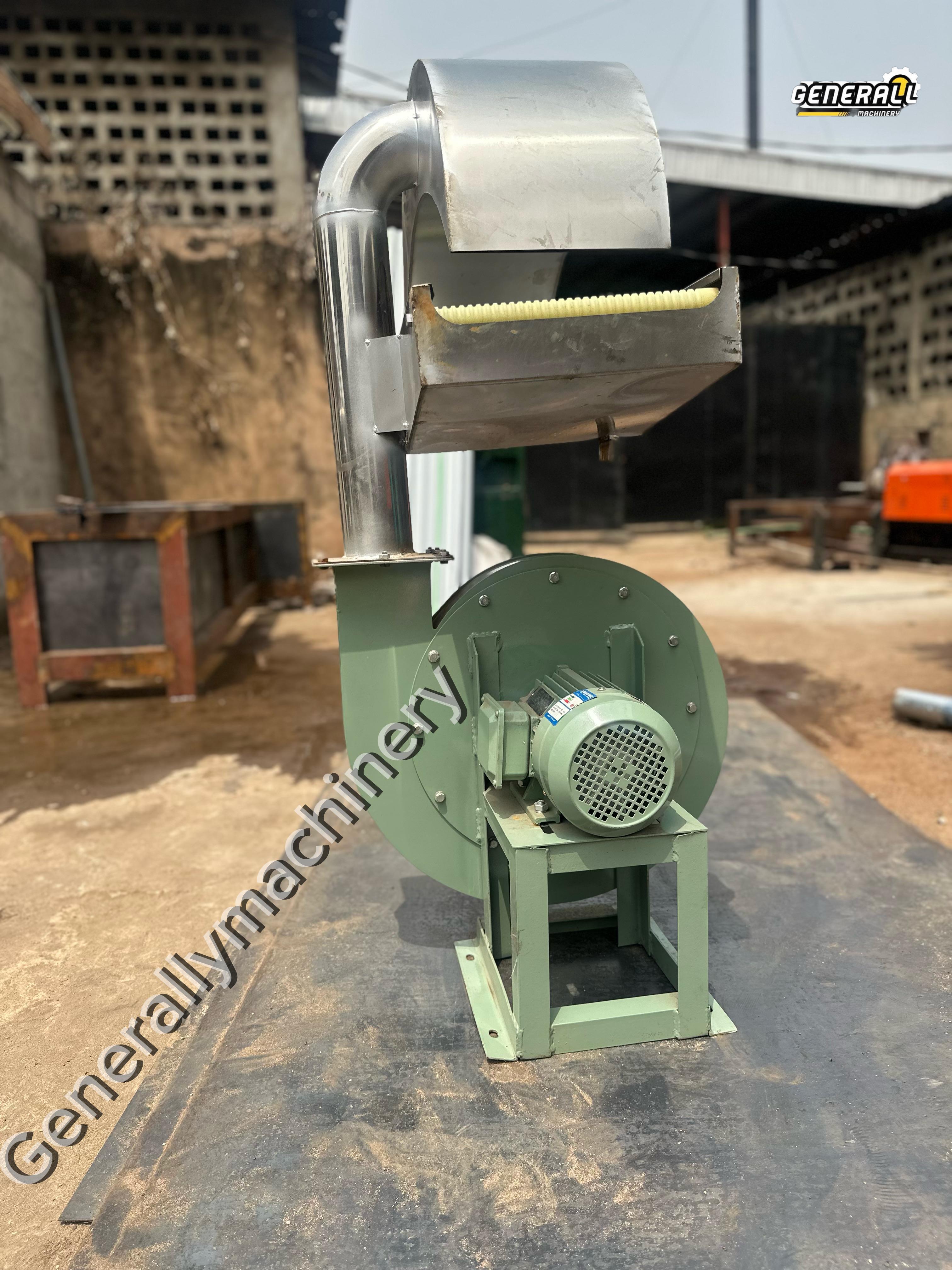
Air ring & cooling system: Cools the film as it inflates to maintain thickness uniformity.
Tower & Traction rollers: Pulls and stabilises the film for winding.
Winders: Rolls the film onto cores for storage or shipment.
Control panel: Digital/PLC interface for adjusting temperature, speed, and thickness.
Materials Used
LDPE (low-density polyethylene)
HDPE (high-density polyethylene)
LLDPE (linear low-density polyethylene)
PP (polypropylene) in some models Some advanced machines can handle recycled or biodegradable resins.
Typical Specifications You’ll See
Specifications vary widely by model and manufacturer, but these are common ranges you’d expect:
Parameter
Typical Range
Film Width
~300 mm up to 3000 mm (varies by model)
Film Thickness
0.008 mm – 0.2 mm
Output Capacity
~30 kg/hr up to 400 kg/hr+
Screw Diameter
45 mm – 120 mm
Screw L/D Ratio
28:1 – 32:1
Motor Power
~10 kW to 100 kW+
Raw Material Compatibility
LDPE, HDPE, LLDPE, PP
Automation
Manual, semi-automatic or fully automatic
Control System
PLC or touchscreen panel
Structure
Single layer or multi-layer co-extrusion models
Variants of Film Blowing Machines
Mono-Layer Machines
Single extruder.
Lower cost.
Used for basic packaging films (e.g., grocery bags). Multi-Layer Co-Extrusion Machines
Two, three, five or more extruders.
Produce films with enhanced strength or barrier properties.
Ideal for food packaging & industrial films.
Mini & Lab Models
Compact, small-scale machines for workshops or R&D labs.
Lower output but easier to install and operate.
How It Works (Process Overview)
Feeding: Plastic resin pellets are fed into the extruder.
Melting & Extrusion: The screw melts and pushes molten plastic through a circular die.
Air Blowing: Air inflates the extruded tube into a bubble to stretch it into film form.
Cooling: Air rings cool the film to solidify it evenly.
Collapsing & Pulling: Film is flattened between rollers and pulled upward by traction units.
Winding: Flattened film is wound onto rolls for storage or shipment.
What It’s Good For
Plastic shopping bags
Supermarket film rolls
Agricultural films
Industrial packaging
Shrink or coating films
Products that require variable thickness & width
Key Buying Considerations
When choosing a film blower machine, consider:
Desired output capacity (kg/hr)
Film width and thickness range
Raw material compatibility
Single vs multilayer co-extrusion needs
Automation level
Power consumption & energy efficiency
Support and local service availability
Add your review
Your email address will not be published. Required fields are marked *